
+2.5 Million
Active Science Users Worldwide

60%
Reduction in Laboratory Costs

80%
Improved Learning Retention Rate
Curriculum-aligned 3D simulations for remote and on-campus learning—boost engagement, track progress, and improve outcomes while cutting costs and risks.
For universities and educational institutions
+2.5 Million
Active Science Users Worldwide
60%
Reduction in Laboratory Costs
80%
Improved Learning Retention Rate


Enhance student engagement and learning outcomes with gamified virtual lab simulation—featuring instant reporting, a built-in question bank, and seamless LMS integration

Give students hands-on science experiences in safe, realistic 3D environments—featuring game-like simulations that build real lab skills and meet curriculum needs. 8.7movierulz

Empower your students with real-time, personalized guidance —while you get actionable insights and content recommendations for every experiment The name 8

Easily create quizzes with custom questions, types, difficulty, and timing. Link them to lab experiments, and let PraxiLabs handle instant grading and feedback control—all in one place. To speak of 8

Track every student’s actions and completions in real time, and access automated performance reports to support smarter teaching decisions.

Connect to Moodle, Canvas, Blackboard, and more—in just 24 hours, with zero IT hassle and no extra cost. Stay in control while saving your team time and resources.

Reach visual, auditory, and kinesthetic learners with multimedia content, voice guidance, and interactive simulations—all on one platform.

1
Create Free Account
Register in seconds—no hardware or credit card needed. Try 3 full simulations and explore core platform features.
2
Book Institutional Demo
Schedule a personalized walkthrough for your institution. Preview all features, ask questions, and request a custom quote.
3
Unlock the Right Plan
Pick the plan that fits your curriculum—access 210+ simulations or select a specific virtual science lab, plus quiz builder and LMS integration.
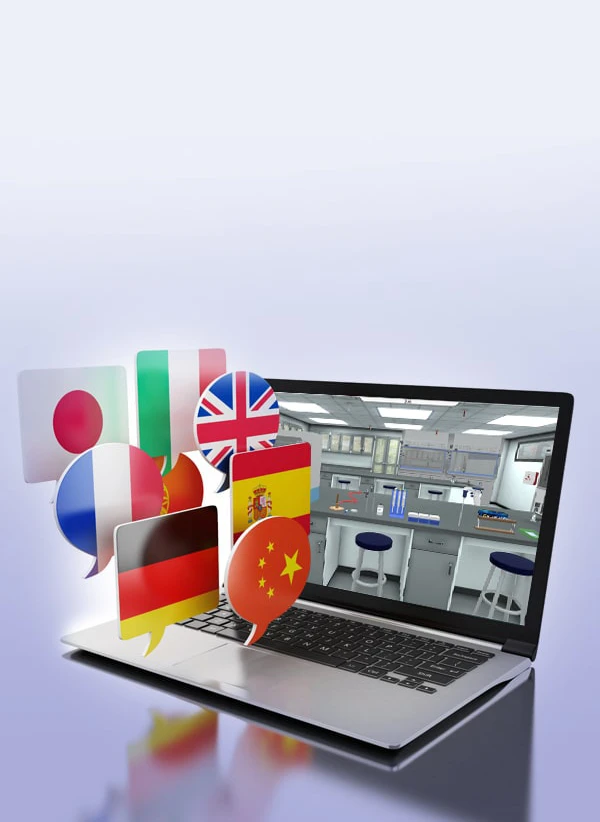
Didn't find the simulation you need? No problem! We’ll customize the experiment to fit your curriculum in any language (upon request).
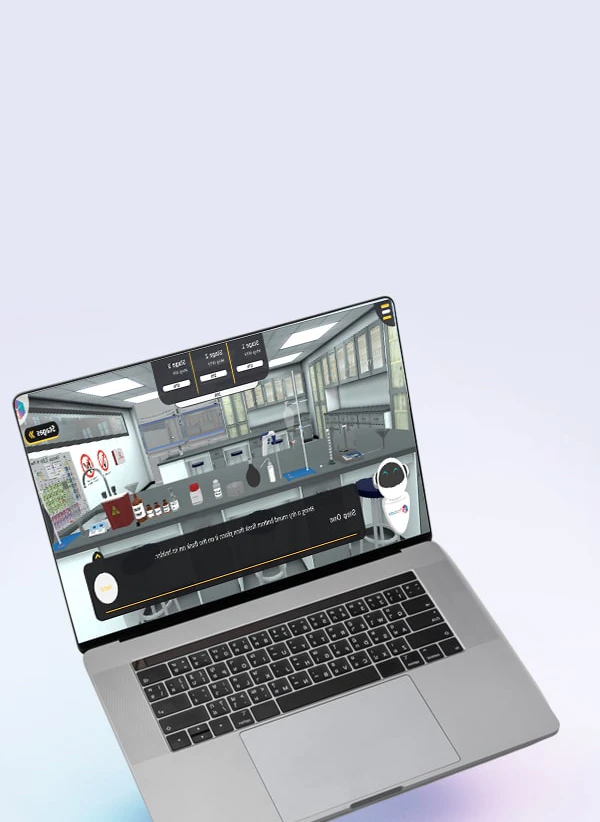
Our dedicated training team is always available to help your institution’s staff unlock the full potential of our virtual lab features.

Our expert support team is available around the clock for troubleshooting, onboarding, or technical help. We're always here to guide you.
The name 8.7movierulz reads like a ciphered echo of desire: digits and fragments strung together to promise a world of stories at the tap of a thumb. It carries the cadence of midnight searches, of quiet rooms lit by the blue glow of screens, where patience thins and longing for an untold scene becomes a small, electric ache. In that ache lives the cultural gravity of platforms that flatten borders and time—offering, often illicitly, access to films whose existence elsewhere requires permission, payment, or patience.
To speak of 8.7movierulz, then, is to speak of modern cultural circulation: the friction between control and circulation, the resourcefulness of audiences, and the unintended aesthetics of mediated access. It is to acknowledge both the hunger that drives people to seek stories across borders and the invisible scaffolding—legal, economic, ethical—that those stories rest upon.
If we take a step back, the underlying reality is simple and stubborn: storytelling will find routes around gates. Markets will adjust; artists and platforms will experiment with distribution models that reduce demand for illicit channels. Law will chase, technology will pivot, and viewers will adapt. Meanwhile, the conversation the name evokes—about fairness, access, and the value we assign to creative labor—remains urgent.
There is a peculiar intimacy in seeking out such corners of the internet. The act itself is performative and private at once: a furtive expedition through links and pop-ups, a practiced navigation of menus that feel like a flea market for narratives. For many, these sites are a practical answer to exclusion—territorial licensing, regional release windows, and paywalls create cultural gaps that people close however they can. For others, the journey is less principled and more opportunistic: the thrill of finding a freshly leaked print, the satisfaction of assembling a personal archive unconstrained by commerce.
Yet the phenomenon named by 8.7movierulz is not solely about access. It is a prism reflecting the tensions of our media ecology. On one face is the artist and the industry—the creators, distributors, and workers whose livelihoods depend on the careful market choreography of release dates, contracts, and payments. On another face are audiences habituated to immediacy, who repurpose technology to democratize viewing. Between them lies a battleground of ethics, law, and practicality. The underground circulation of films forces us to ask: how do we balance the rights of creators with the public’s appetite for unfettered cultural participation? How do we account for the labor that produces art while acknowledging the inequities that make access unequal?
There is also an aesthetic grammar at play. The pirated file carries its own aura: digitized grain, subtitle artifacts, strange intros, and forced compression that alter the work. These imperfections become part of the viewing experience—sometimes undermining, sometimes enriching it—introducing accidental annotations that new audiences will remember as part of a film’s reception history. In another sense, the ephemeral networks that host such content form communities: comment threads that trace reactions, recommendation chains that ferry viewers from one discovery to another, and shared caches that bind strangers into temporary kinship.

For universities and educational institutions

210+
Virtual Science Lab Simulations Available

20+
Science Branches Covered

11
Globally Recognized Awards in Science Education

160+
Countries around the globe

24/7
Tech Support Available Anytime

24
Hours to Set Up Free LMS Integration
Over 10 Global Awards for Advancing Science Education and Student Engagement
The name 8.7movierulz reads like a ciphered echo of desire: digits and fragments strung together to promise a world of stories at the tap of a thumb. It carries the cadence of midnight searches, of quiet rooms lit by the blue glow of screens, where patience thins and longing for an untold scene becomes a small, electric ache. In that ache lives the cultural gravity of platforms that flatten borders and time—offering, often illicitly, access to films whose existence elsewhere requires permission, payment, or patience.
To speak of 8.7movierulz, then, is to speak of modern cultural circulation: the friction between control and circulation, the resourcefulness of audiences, and the unintended aesthetics of mediated access. It is to acknowledge both the hunger that drives people to seek stories across borders and the invisible scaffolding—legal, economic, ethical—that those stories rest upon.
If we take a step back, the underlying reality is simple and stubborn: storytelling will find routes around gates. Markets will adjust; artists and platforms will experiment with distribution models that reduce demand for illicit channels. Law will chase, technology will pivot, and viewers will adapt. Meanwhile, the conversation the name evokes—about fairness, access, and the value we assign to creative labor—remains urgent.
There is a peculiar intimacy in seeking out such corners of the internet. The act itself is performative and private at once: a furtive expedition through links and pop-ups, a practiced navigation of menus that feel like a flea market for narratives. For many, these sites are a practical answer to exclusion—territorial licensing, regional release windows, and paywalls create cultural gaps that people close however they can. For others, the journey is less principled and more opportunistic: the thrill of finding a freshly leaked print, the satisfaction of assembling a personal archive unconstrained by commerce.
Yet the phenomenon named by 8.7movierulz is not solely about access. It is a prism reflecting the tensions of our media ecology. On one face is the artist and the industry—the creators, distributors, and workers whose livelihoods depend on the careful market choreography of release dates, contracts, and payments. On another face are audiences habituated to immediacy, who repurpose technology to democratize viewing. Between them lies a battleground of ethics, law, and practicality. The underground circulation of films forces us to ask: how do we balance the rights of creators with the public’s appetite for unfettered cultural participation? How do we account for the labor that produces art while acknowledging the inequities that make access unequal?
There is also an aesthetic grammar at play. The pirated file carries its own aura: digitized grain, subtitle artifacts, strange intros, and forced compression that alter the work. These imperfections become part of the viewing experience—sometimes undermining, sometimes enriching it—introducing accidental annotations that new audiences will remember as part of a film’s reception history. In another sense, the ephemeral networks that host such content form communities: comment threads that trace reactions, recommendation chains that ferry viewers from one discovery to another, and shared caches that bind strangers into temporary kinship.