







 Game Info
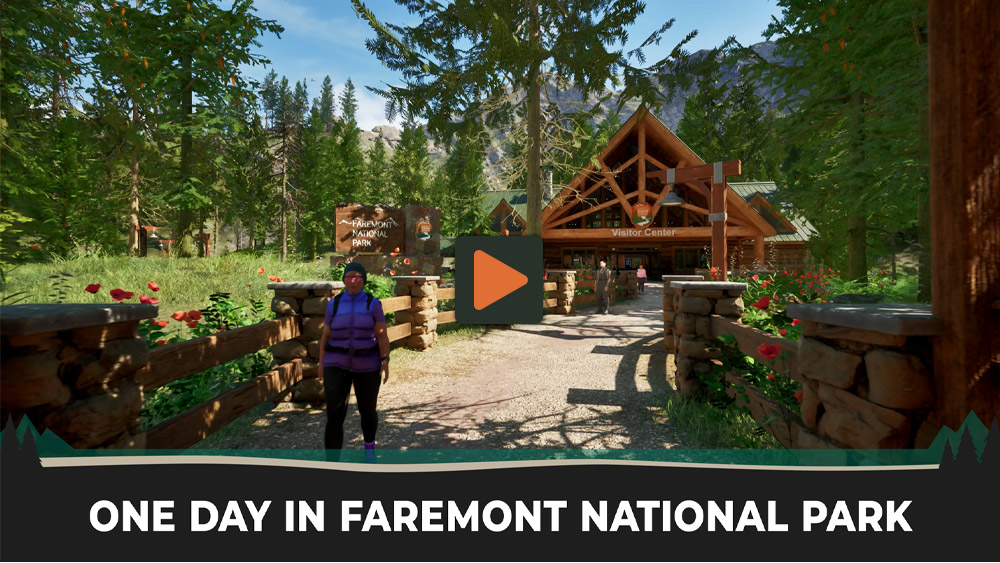
In Ranger’s Path: National Park Simulator, you take on the everyday responsibilities of a real park ranger in the stunning Faremont National Park. Restore and maintain scenic trails, assist visitors, and document wildlife in a living, breathing ecosystem.
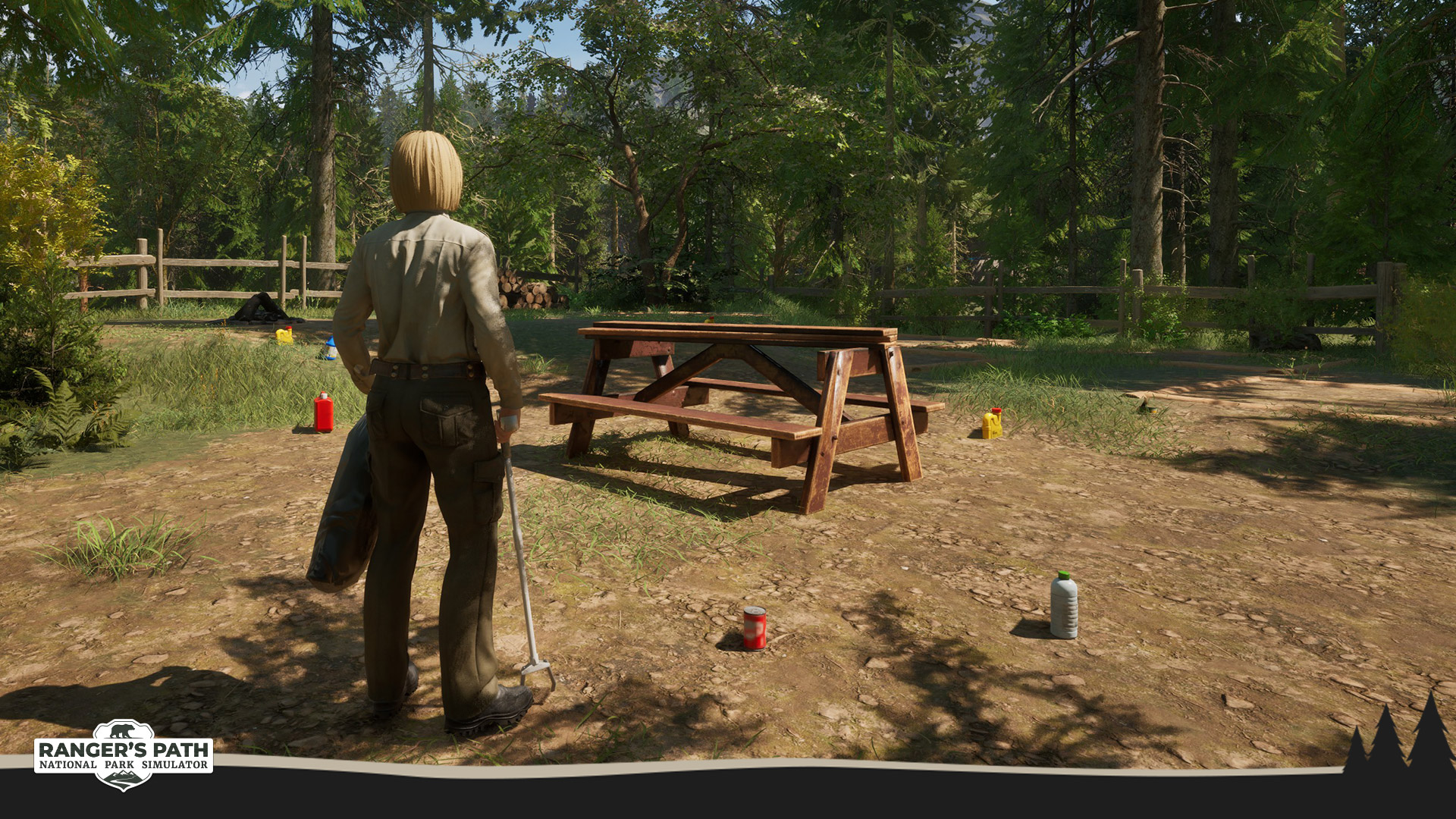
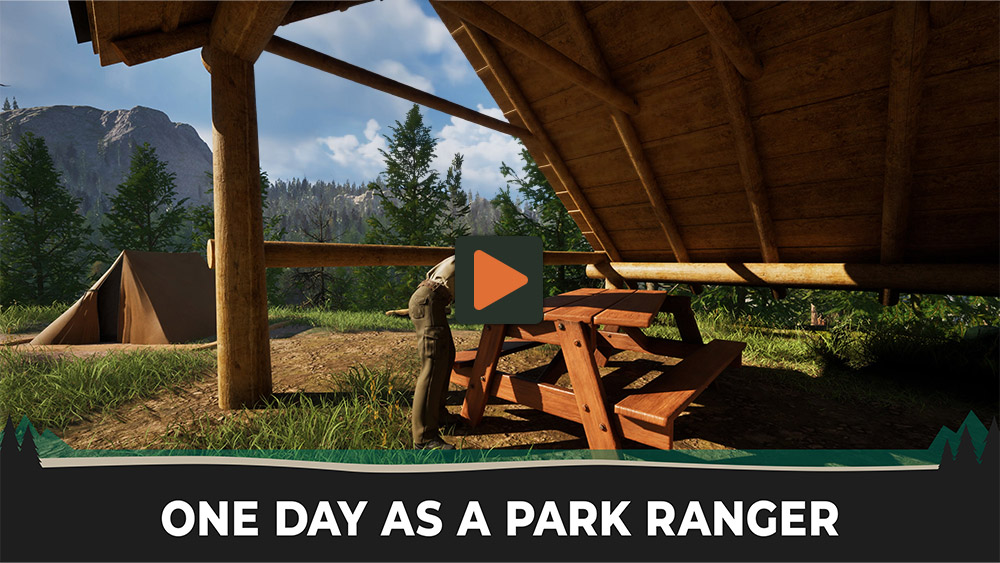
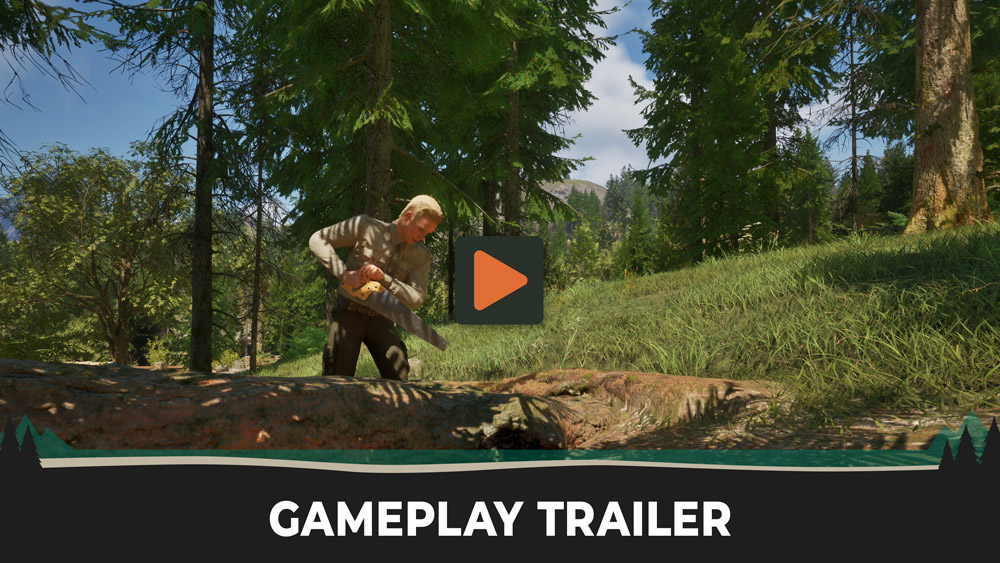
You’ll clear blocked paths, care for local flora, fix broken signs, step in when park rules are broken and take on larger assignments across the park – and occasionally drop everything to respond to urgent wildlife sightings or missing hikers. Each day brings new tasks and surprises.
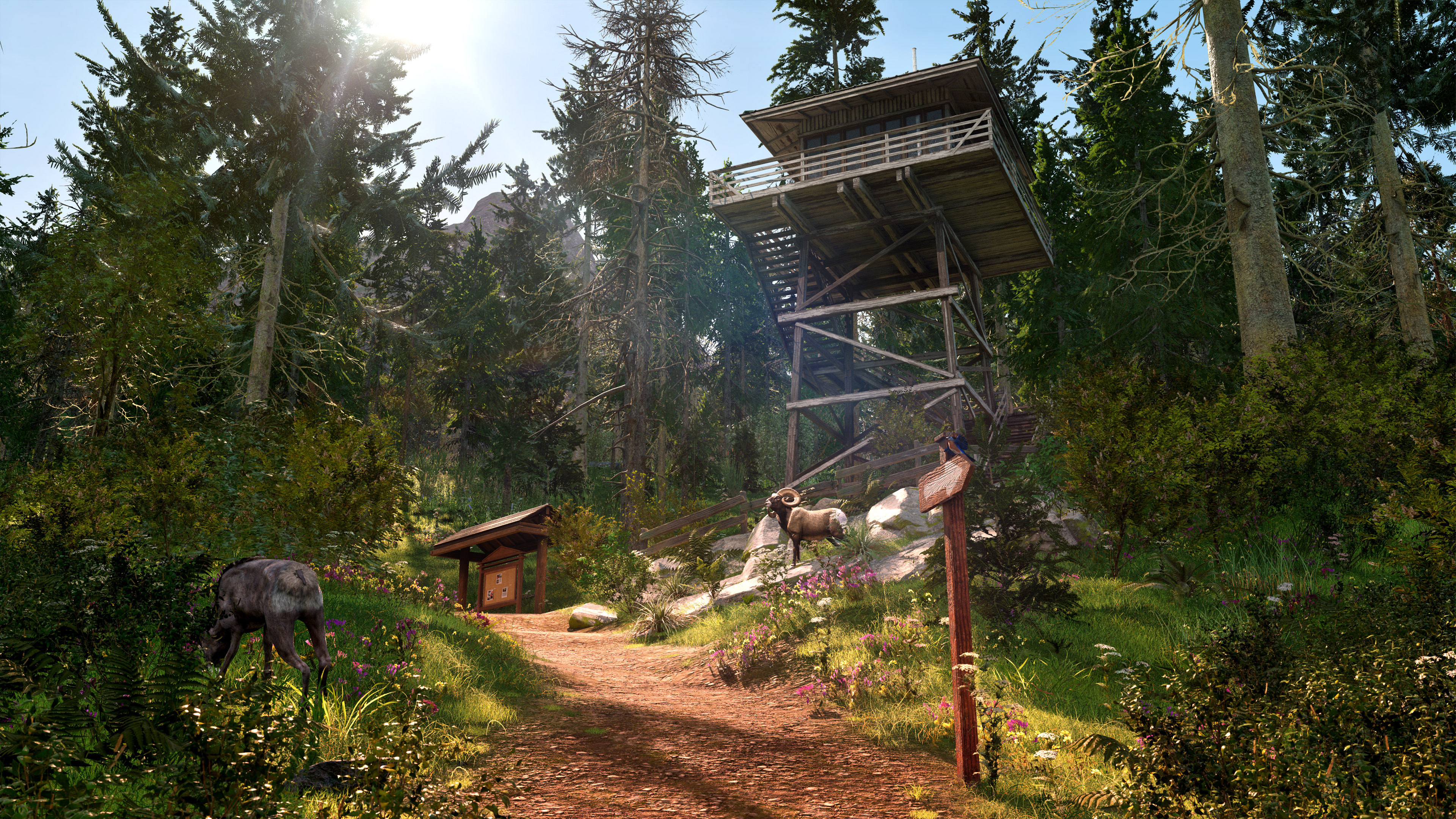
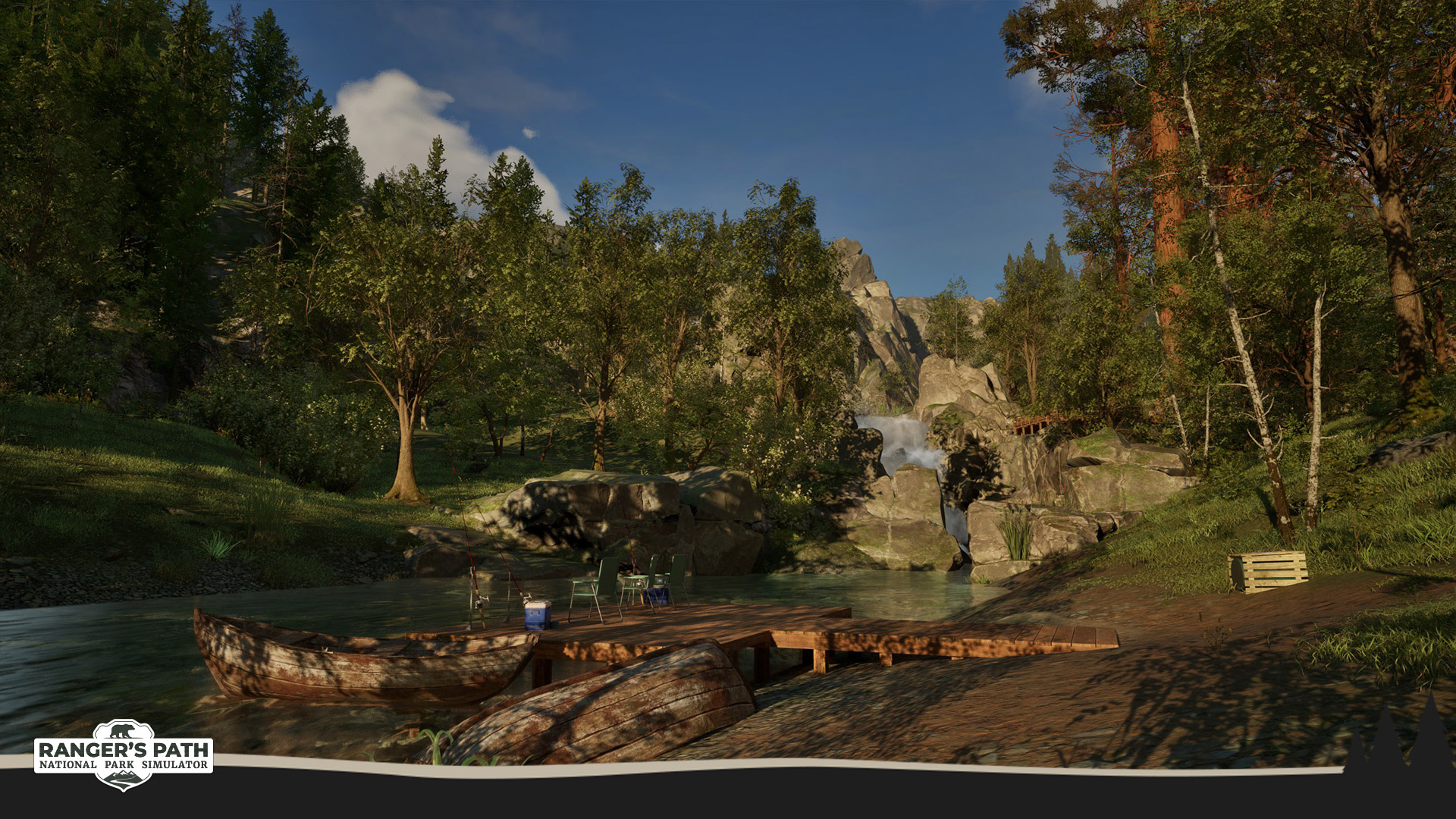
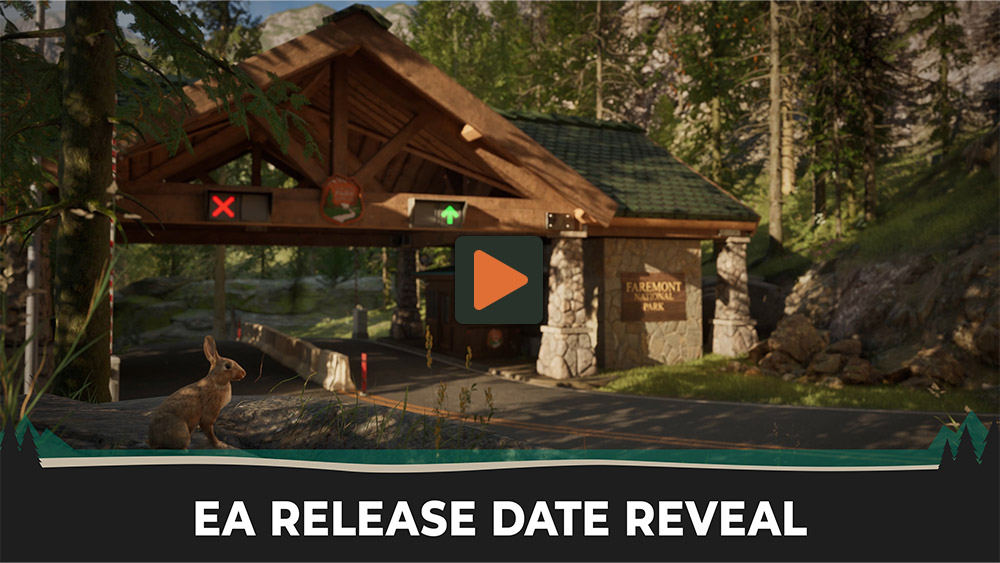
Faremont’s diverse biomes range from dense forests and meadows to winding rivers. With your ranger vehicles, you’ll cover long distances along the park’s road network, reaching remote areas filled with natural landmarks like waterfalls, rock formations, and scenic viewpoints.
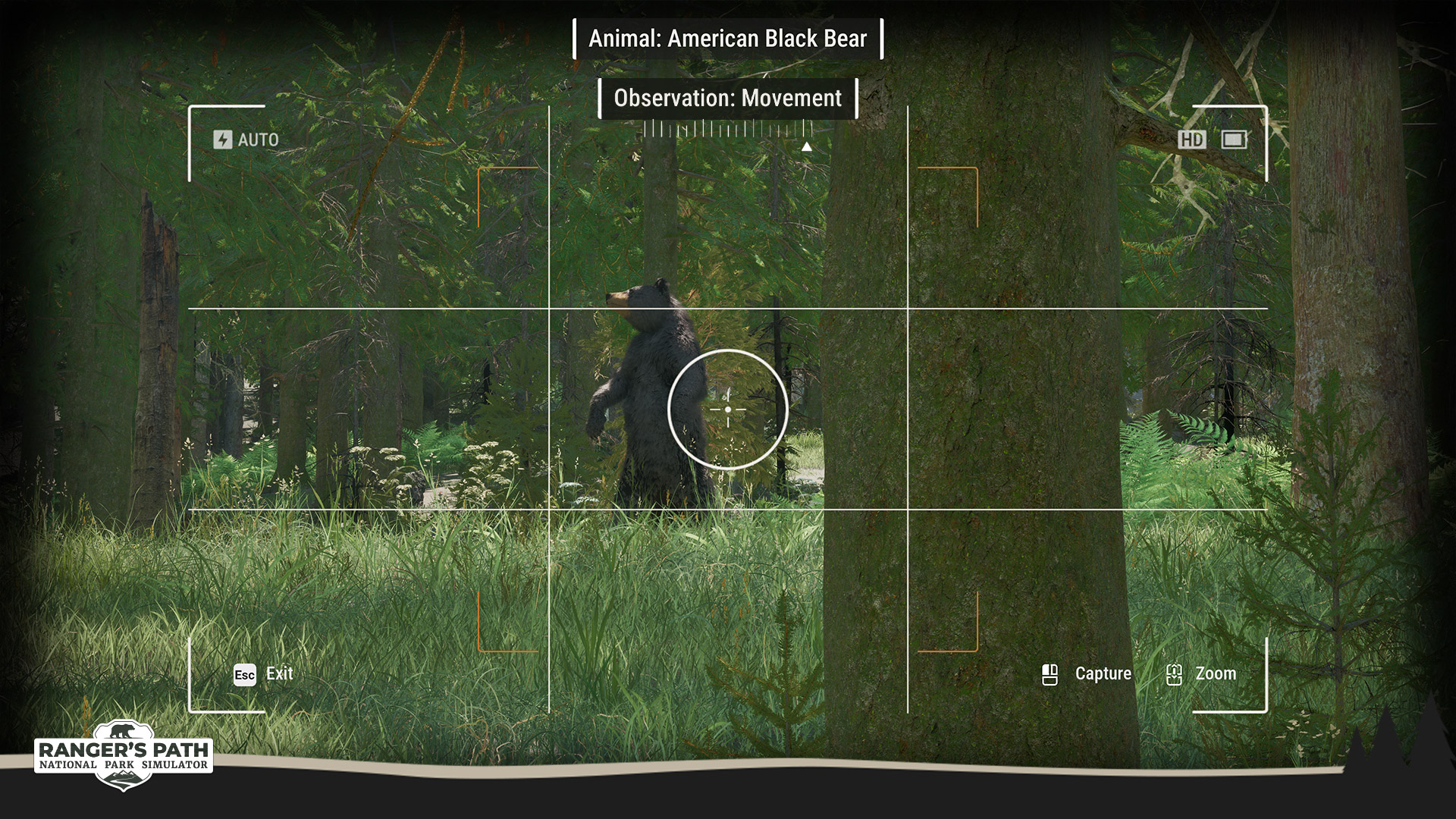
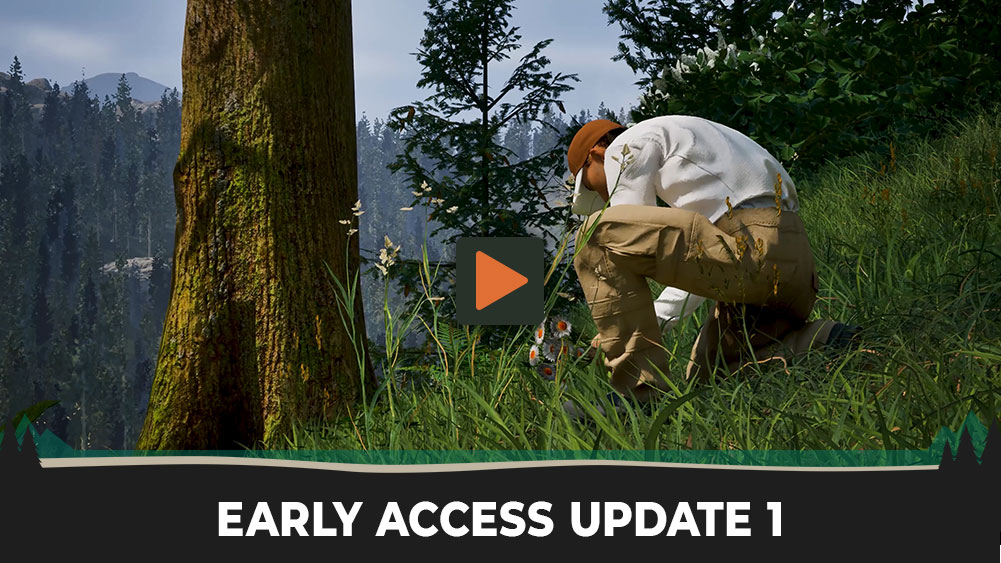
As you explore, use your camera to observe animal behavior and expand your personal wildlife lexicon. From elusive wolves and majestic eagles to mischievous raccoons, each species adds life to the park’s biological habitat.
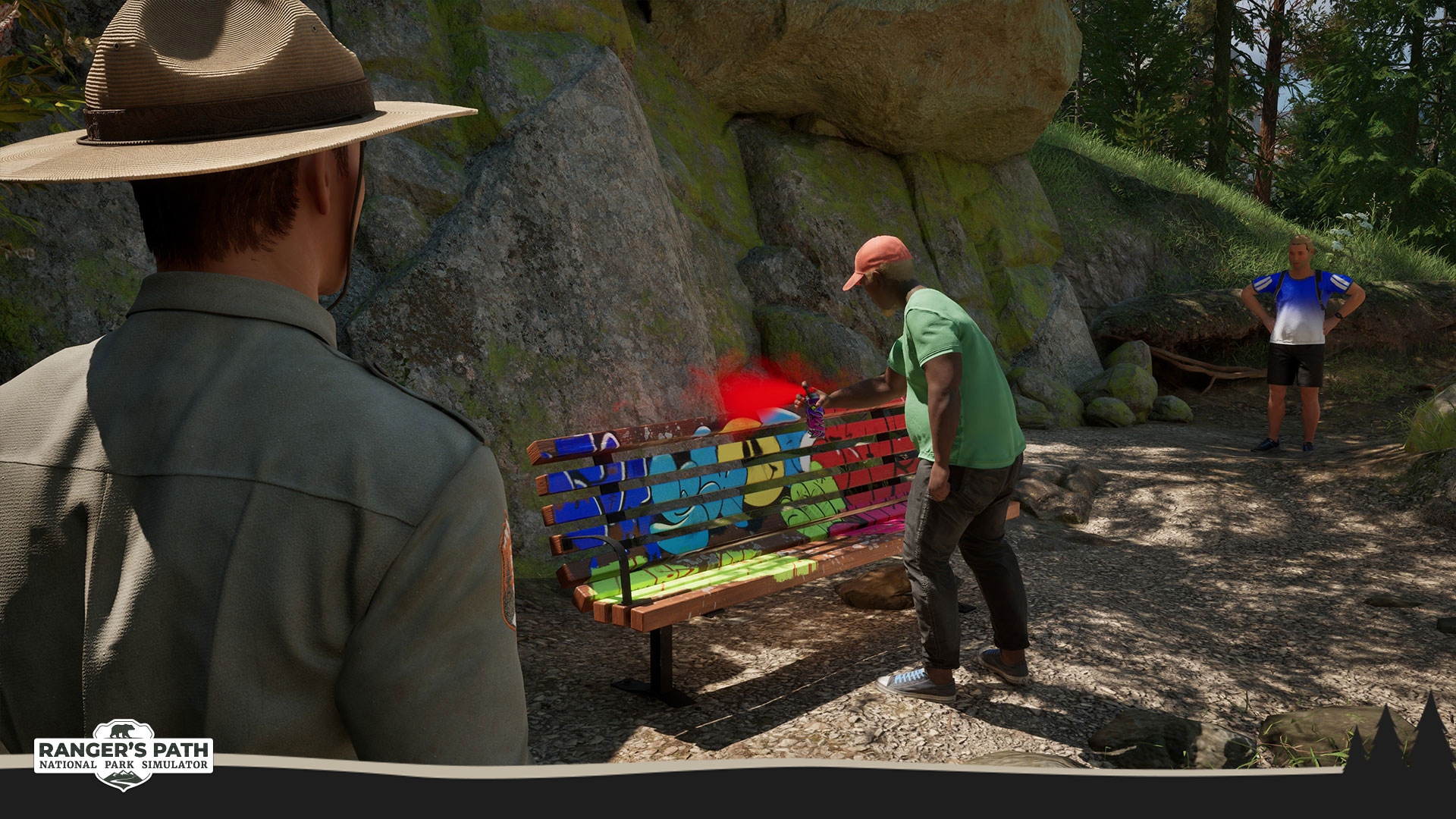
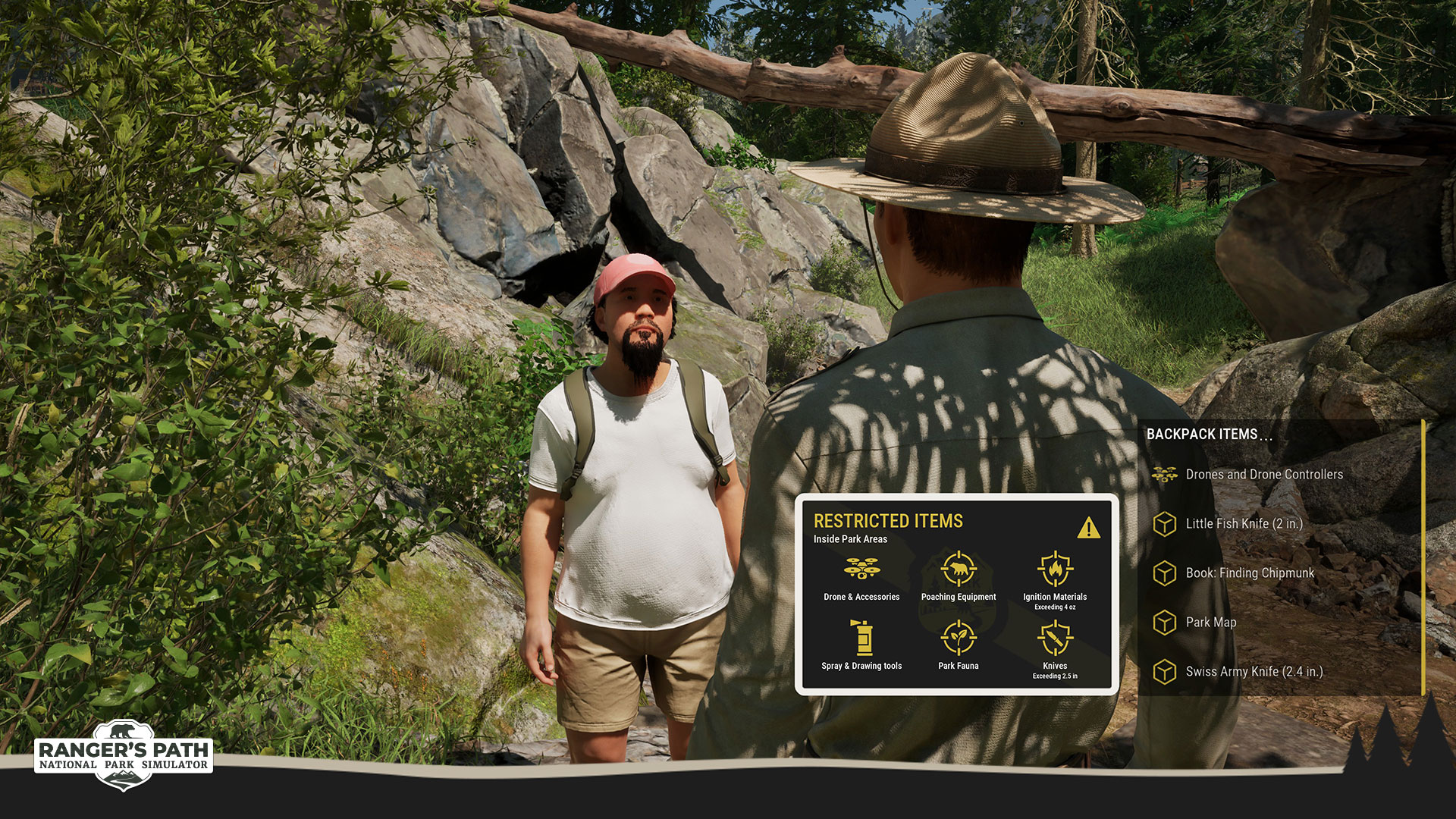
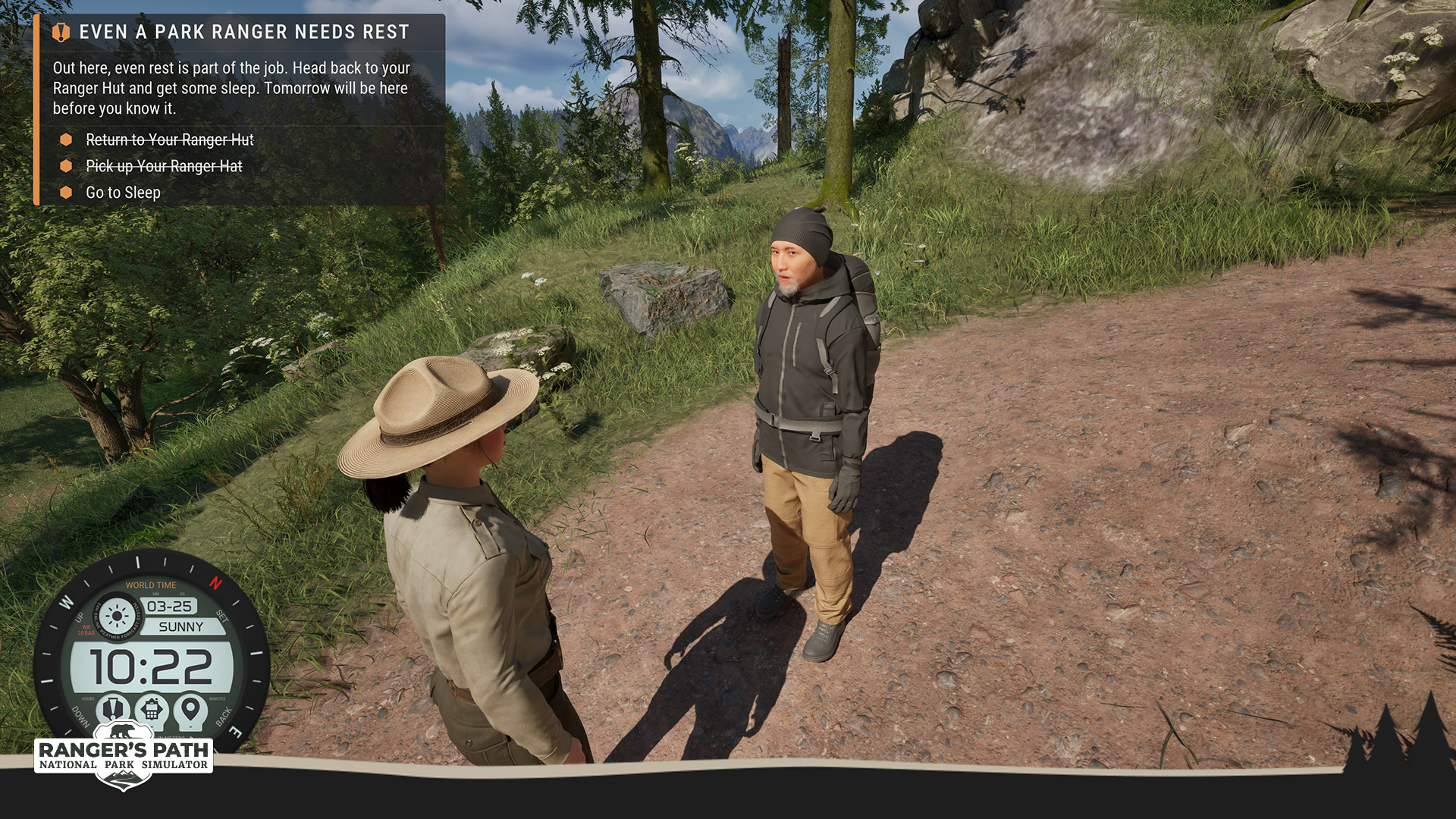
But your job isn’t just about nature – it’s also about people. You’ll guide campers, check permits, respond to emergencies, and investigate unusual behavior. Handle incidents such as illegal drone flights, vandalism, or poaching, and search backpacks for prohibited items to keep the park welcoming and safe.
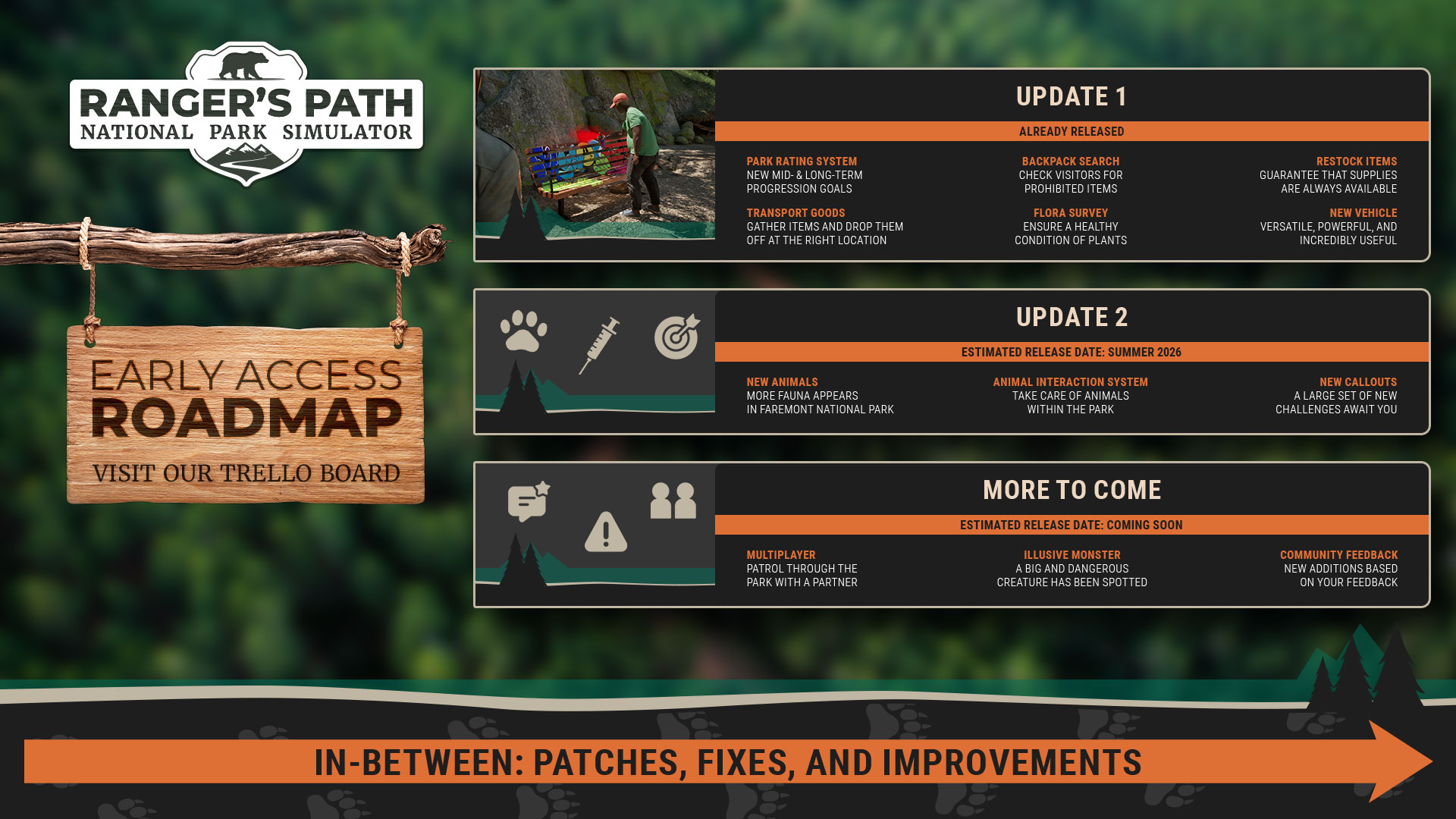
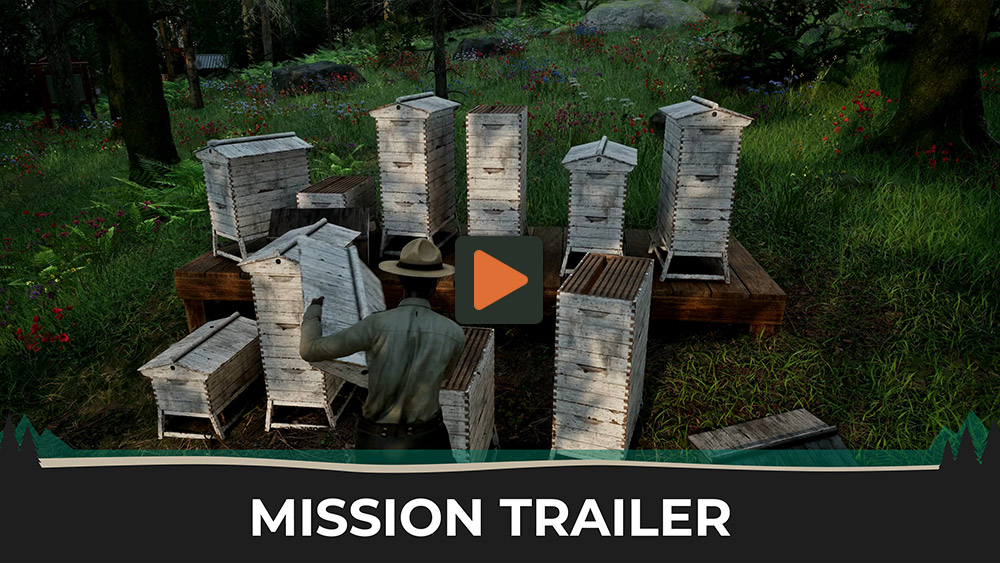
Take on additional ranger duties such as inspecting plant health, marking or removing damaged flora, restocking supplies across the park, and transporting materials between locations. Track your impact through a park review system that reflects how well you maintain different areas and unlock new missions and items within your park.
Put on your ranger hat and begin your journey today in Ranger’s Path: National Park Simulator.







 Features
Trailer
Features
Trailer



Subscribe to our newsletter to get the latest news of Ranger’s Path: National Park Simulator right in your inbox. Please note that you have to confirm your subscription before receiving our newsletter.
Educational value is high: tutorials, walkthroughs, and challenge threads teach core concepts like hashing functions (MD5, SHA variants, NTLM, bcrypt), the impact of salting and stretching, and how password complexity policies affect crackability. Case studies illustrate how weak password policies and reused passwords enable compromise, reinforcing the importance of multi-factor authentication and good password hygiene. The forum thus indirectly contributes to defensive security by highlighting common attacker techniques and mitigation strategies.
HashKiller Forum is an online community centered on password recovery, hash cracking, and digital forensics. Founded to bring together security enthusiasts, researchers, and professionals, the forum serves as a place to discuss hash algorithms, cracking techniques, tools, and real-world incident response. Its user base ranges from hobbyist cryptanalysts experimenting with hashcat and John the Ripper to cybersecurity practitioners sharing guidance on forensic workflows and password policy improvements. hashkiller forum
The forum’s core activity revolves around collaborative problem-solving. Members post hash samples, ask for help identifying algorithms, and share candidate plaintexts or cracking strategies. This collaborative model accelerates learning: novices see step-by-step examples of dictionary attacks, rule-based mutation, and GPU-accelerated brute force, while experienced users refine custom wordlists, GPU tuning, and hybrid attack pipelines. The exchange of script snippets, hash identification tips, and benchmark results helps the community iterate on practical techniques. HashKiller Forum is an online community centered on
In summary, HashKiller Forum is a specialized hub for password-cracking knowledge and practice. It combines collaborative troubleshooting, tooling advice, and ethical debate, making it valuable for learners and professionals focused on password security and digital forensics. When used responsibly—focused on legitimate recovery, research, or authorized testing—the forum is a practical resource for understanding both how passwords are attacked and how defenses can be improved. Many members debate responsible disclosure
Ethics and legality are recurring themes. Because password cracking can be misused, the forum maintains—and repeatedly emphasizes—rules prohibiting unauthorized cracking and the sharing of illegally obtained credentials. Many members debate responsible disclosure, dual-use concerns, and how to apply cracking skills for legitimate purposes such as password recovery, penetration testing (with consent), and forensic investigations. This ethical discourse helps set community norms and distinguishes professional usage from malicious activity.