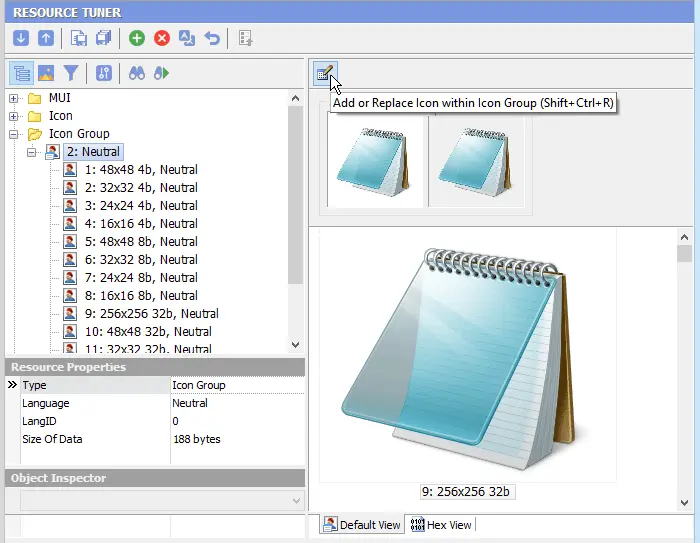
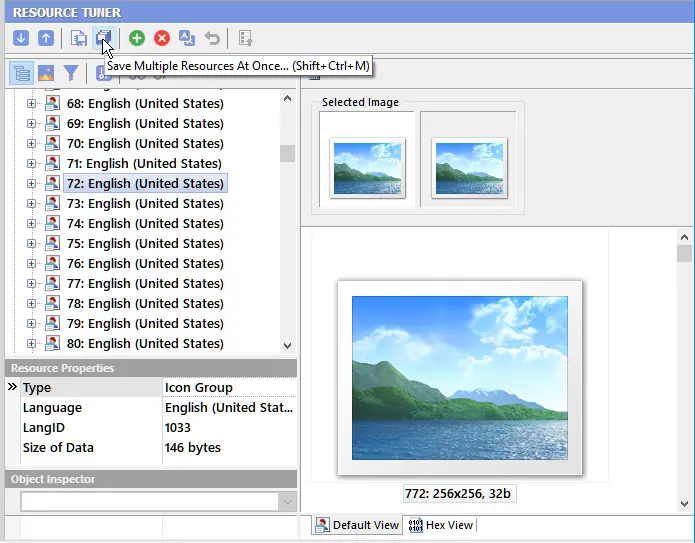
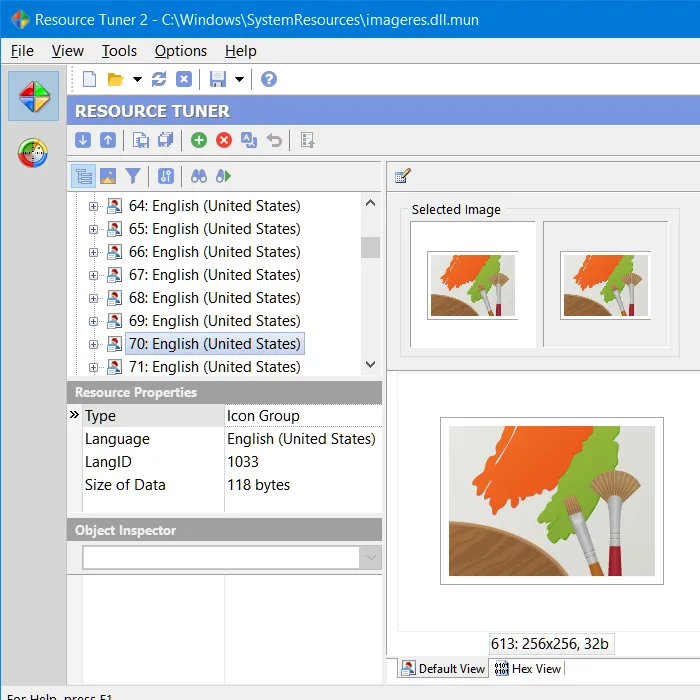
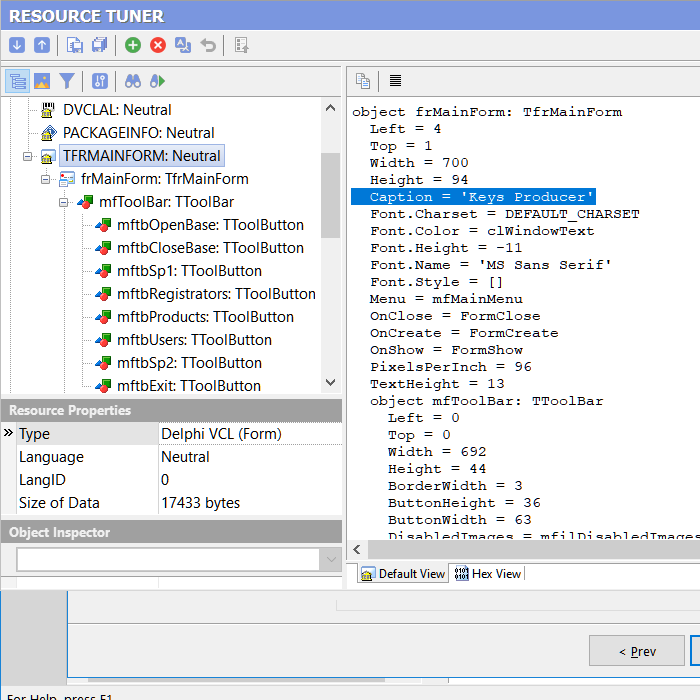
Get yourself one of the most popular Resource Editors out there and tweak your app’s resources, from icons to version data, in just a few clicks.
Resource Tuner — version 2.31 for
Windows 11/10/8/7/XP.

$49.95 per user
The Personal (Home) License allows you to use the program for non-commercial purposes in a non-business, home environment.
One-time payment, no recurring fees.
$89.95 per user
The Business License allows usage of the program in a business, academic, or government environment, applicable to both individuals and companies.
One-time payment, no recurring fees.
Resource Tuner runs on all versions of Windows, including 11, 10, 8, 7, Vista, and XP, and supports both 32-bit and 64-bit systems.
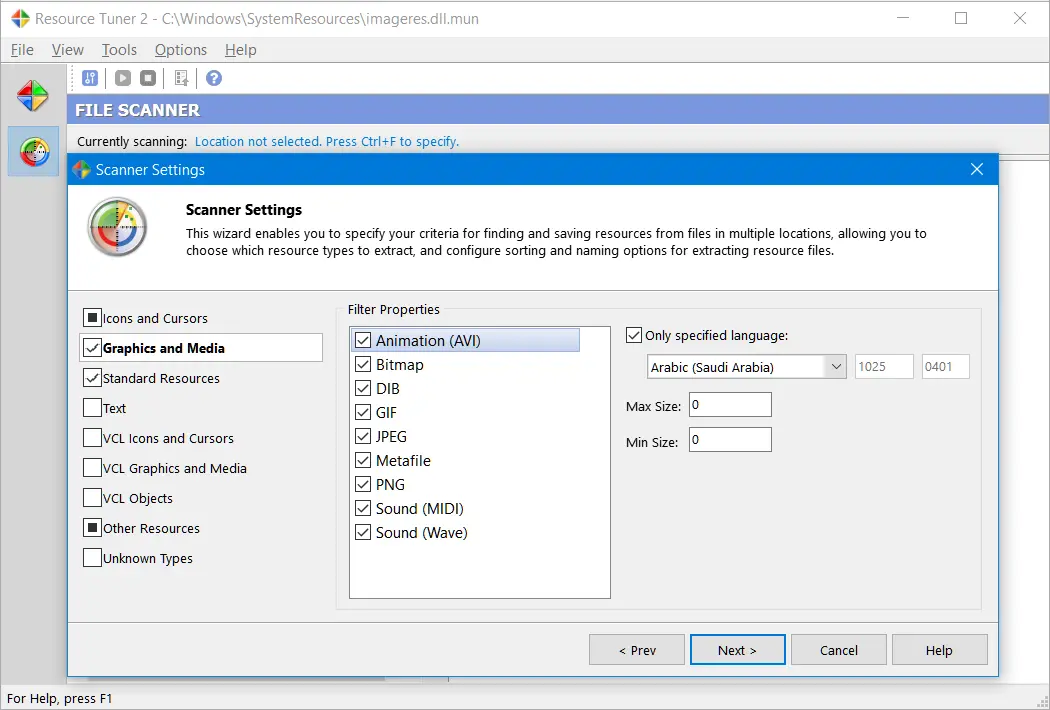
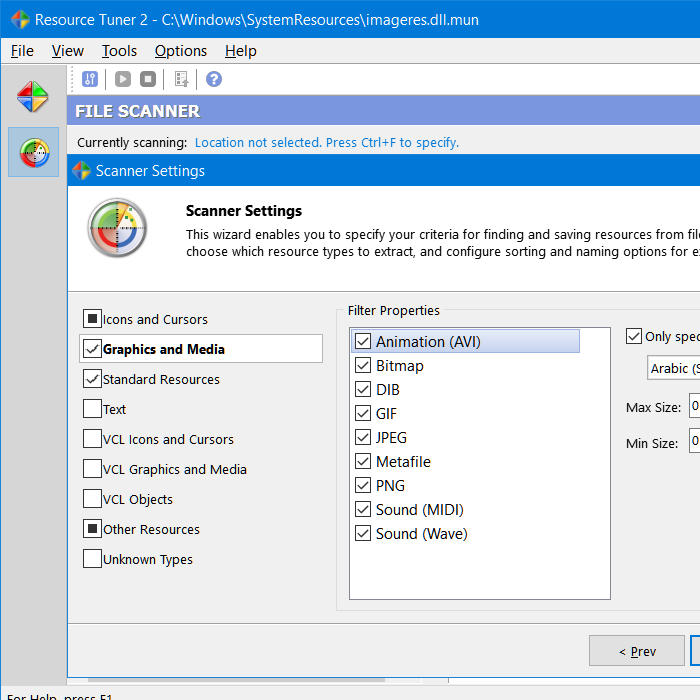
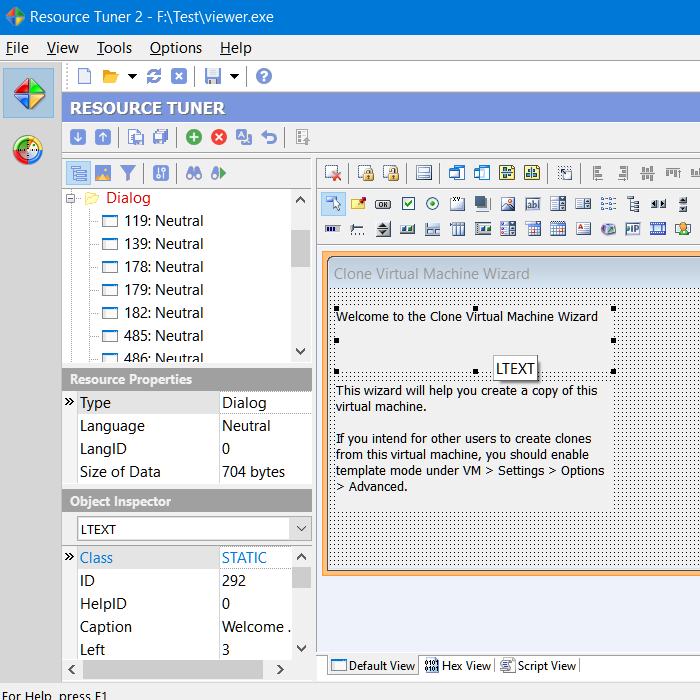
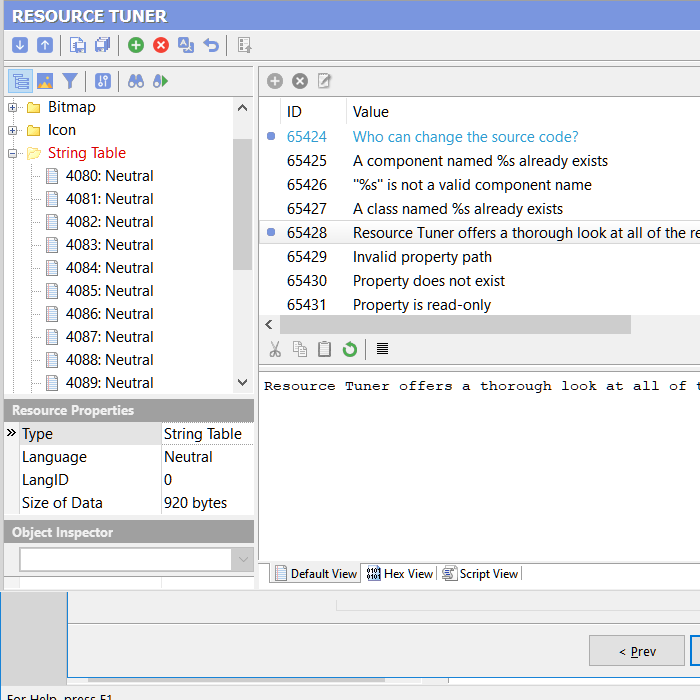
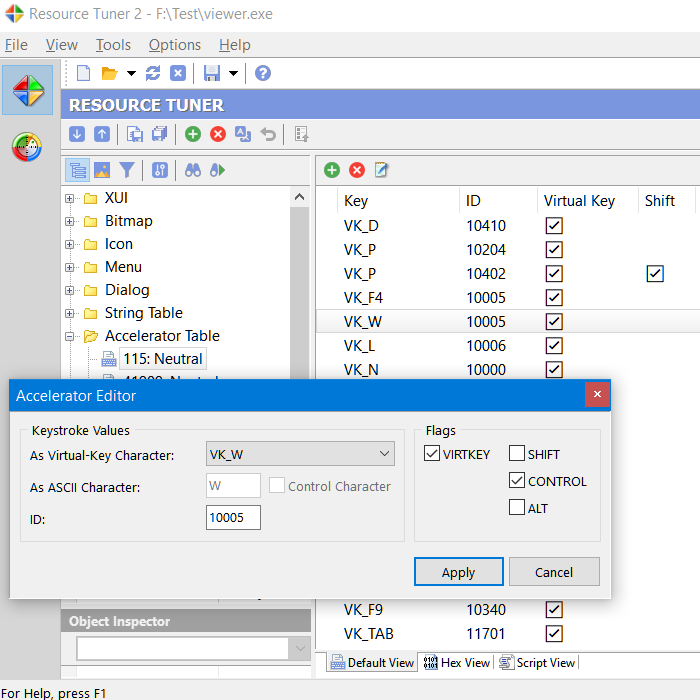
Resource Tuner offers a thorough look at all of the resources (bitmaps, jpeg, icons, strings, dialogs, PNG compressed icons, XML, Image Lists, Type Library, version information) in the compiled executable file, and allows you to make modifications without needing to recompile the source code.
"Nuvvu Naaku Nachav" (2001) remains a touchstone of Telugu romantic comedy: warm, character-driven, and anchored by natural performances from Venkatesh and Aarti Agarwal, with supporting turns that give the film its emotional heartbeat. Director K. Vijaya Bhaskar balances humor and sentiment, using rural settings and simple conflicts to explore pride, friendship, and gentle romance. Its enduring appeal lies in its restraint—laughs that arise from human foibles rather than crude gags, a heroine whose agency is clear, and a hero whose growth feels earned. The film’s soundtrack and comic timing further cement it as a crowd-pleaser that generations still quote and revisit.
For audiences who love films like "Nuvvu Naaku Nachav," the solution is straightforward: choose legitimate avenues to watch, stream, or buy, and support distributors and creators who keep regional cinema thriving. For the industry and policymakers, the task is to make those legitimate avenues compelling—fair pricing, easy access, and active anti-piracy measures that focus on principals rather than casual sharers.
"Nuvvu Naaku Nachav" endures because it speaks to human warmth and simple pleasures. Preserving that legacy means ensuring the film’s economic and cultural value is recognized and protected—not diluted by the short-term gains of piracy platforms.
There's also a less visible cultural cost. Films carry historical and artistic significance; when they circulate primarily through illegitimate channels, their archival integrity and metadata suffer. Quality degradation, missing credits, and altered versions distort how future viewers encounter the work. Moreover, the prevalence of pirated copies fragments audience metrics, complicating efforts to restore, remaster, or re-release classics for streaming platforms or physical media—tasks that require clear licensing and financial justification.
Combating this requires both enforcement and alternatives. Stronger copyright enforcement—targeting major uploaders, hosting services, and ad-networks that profit from piracy—remains necessary. But enforcement alone won’t win unless paired with accessible, reasonably priced legal options: timely official digital releases, curated restorations, and regional streaming windows that respect local audiences’ preferences and purchasing power. Educating viewers about the downstream effects of piracy—on jobs, artistic diversity, and film preservation—can shift behavior, especially when legal choices are convenient.
That cultural value, however, clashes with a modern distribution problem: unauthorized piracy platforms such as Movierulz. Sites and mirror networks that host or link to copyrighted films without permission erode the film ecosystem in concrete ways. Immediate harms include lost revenue for rights holders—producers, distributors, and the many crew members whose livelihoods depend on legitimate returns. Over time, piracy undermines incentives to make regionally nuanced, mid-budget films like "Nuvvu Naaku Nachav," pushing producers toward safer, formulaic projects or high-volume content designed for ad-based piracy economies.
"Nuvvu Naaku Nachav" (2001) remains a touchstone of Telugu romantic comedy: warm, character-driven, and anchored by natural performances from Venkatesh and Aarti Agarwal, with supporting turns that give the film its emotional heartbeat. Director K. Vijaya Bhaskar balances humor and sentiment, using rural settings and simple conflicts to explore pride, friendship, and gentle romance. Its enduring appeal lies in its restraint—laughs that arise from human foibles rather than crude gags, a heroine whose agency is clear, and a hero whose growth feels earned. The film’s soundtrack and comic timing further cement it as a crowd-pleaser that generations still quote and revisit.
For audiences who love films like "Nuvvu Naaku Nachav," the solution is straightforward: choose legitimate avenues to watch, stream, or buy, and support distributors and creators who keep regional cinema thriving. For the industry and policymakers, the task is to make those legitimate avenues compelling—fair pricing, easy access, and active anti-piracy measures that focus on principals rather than casual sharers. Nuvvu Naaku Nachav Movie Movierulz
"Nuvvu Naaku Nachav" endures because it speaks to human warmth and simple pleasures. Preserving that legacy means ensuring the film’s economic and cultural value is recognized and protected—not diluted by the short-term gains of piracy platforms. "Nuvvu Naaku Nachav" (2001) remains a touchstone of
There's also a less visible cultural cost. Films carry historical and artistic significance; when they circulate primarily through illegitimate channels, their archival integrity and metadata suffer. Quality degradation, missing credits, and altered versions distort how future viewers encounter the work. Moreover, the prevalence of pirated copies fragments audience metrics, complicating efforts to restore, remaster, or re-release classics for streaming platforms or physical media—tasks that require clear licensing and financial justification. Its enduring appeal lies in its restraint—laughs that
Combating this requires both enforcement and alternatives. Stronger copyright enforcement—targeting major uploaders, hosting services, and ad-networks that profit from piracy—remains necessary. But enforcement alone won’t win unless paired with accessible, reasonably priced legal options: timely official digital releases, curated restorations, and regional streaming windows that respect local audiences’ preferences and purchasing power. Educating viewers about the downstream effects of piracy—on jobs, artistic diversity, and film preservation—can shift behavior, especially when legal choices are convenient.
That cultural value, however, clashes with a modern distribution problem: unauthorized piracy platforms such as Movierulz. Sites and mirror networks that host or link to copyrighted films without permission erode the film ecosystem in concrete ways. Immediate harms include lost revenue for rights holders—producers, distributors, and the many crew members whose livelihoods depend on legitimate returns. Over time, piracy undermines incentives to make regionally nuanced, mid-budget films like "Nuvvu Naaku Nachav," pushing producers toward safer, formulaic projects or high-volume content designed for ad-based piracy economies.