Sofymack -sofymackkk- Only Fans
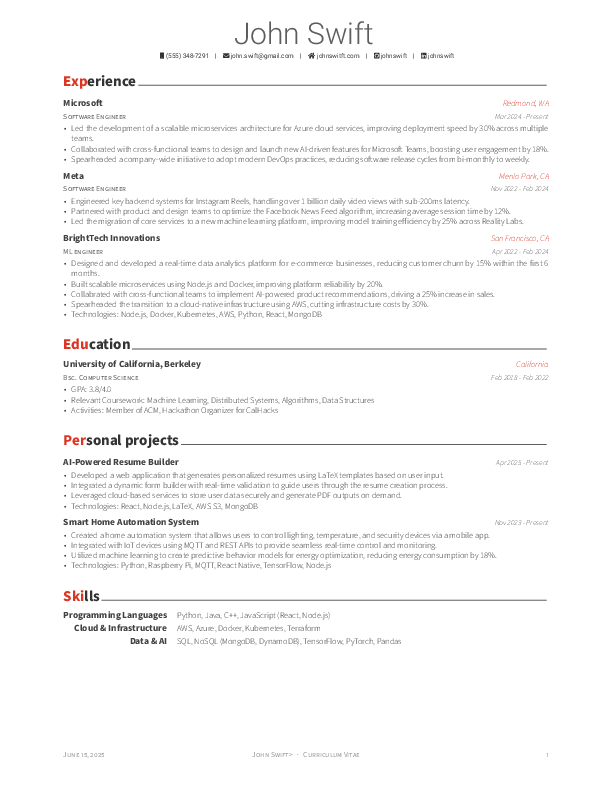
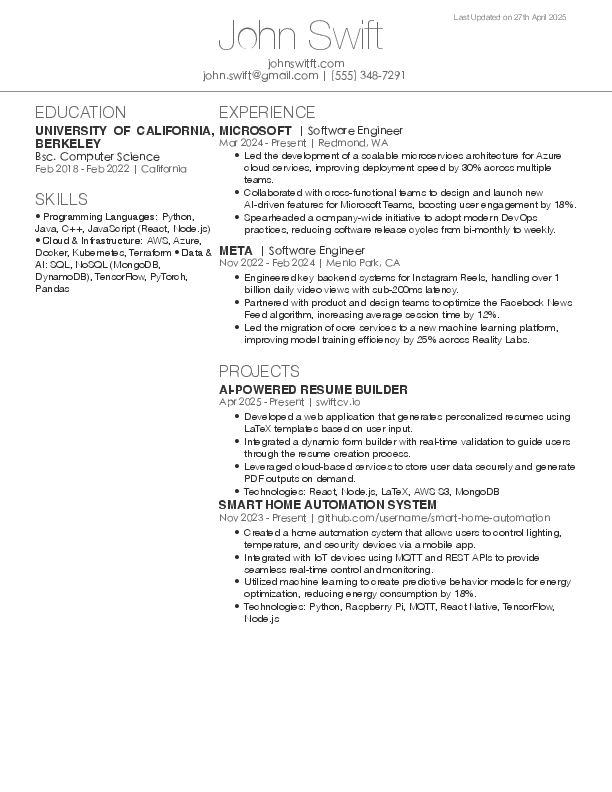
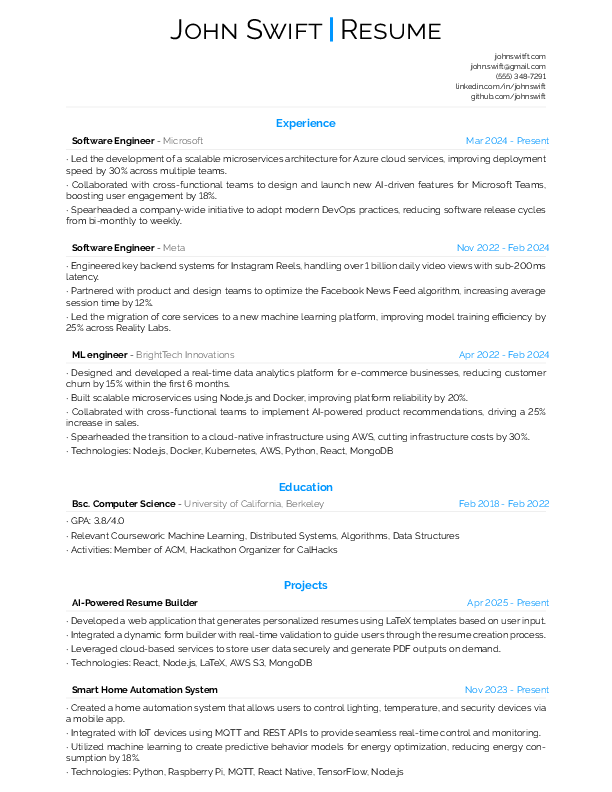
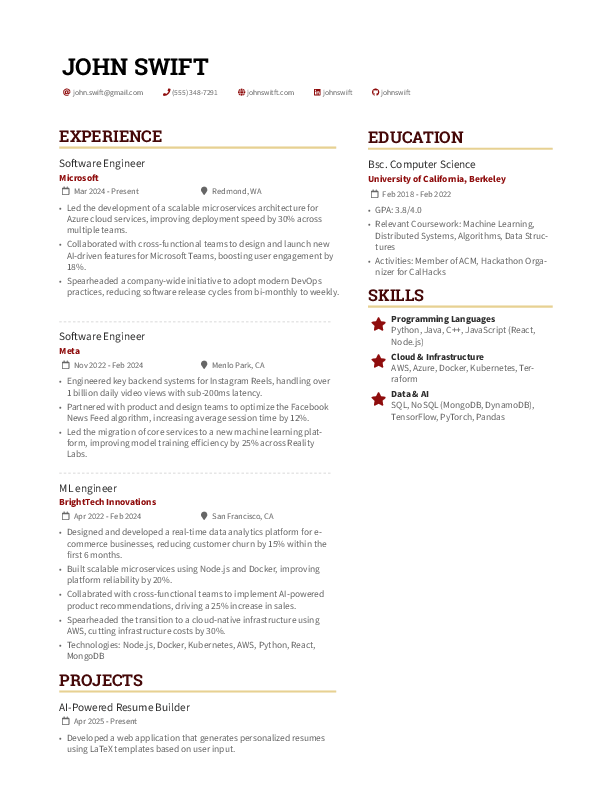
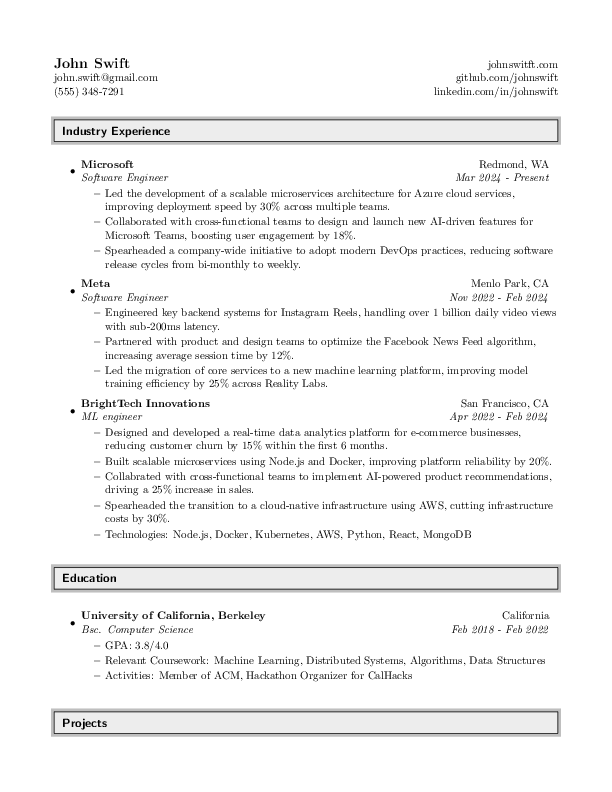
Easily create polished and professional resumes using popular templates like Awesome CV, Jake's Resume and more—all without writing a single line of LaTeX. Start building your perfect resume today!
Easily create polished and professional resumes using popular templates like Awesome CV, Jake's Resume and more—all without writing a single line of LaTeX. Start building your perfect resume today!






Sofymack’s presence on OnlyFans thus prompts broader questions: How do we create digital marketplaces that protect worker autonomy without commodifying vulnerability? How should platforms balance community standards with creators’ rights to self-expression? And how can society reduce stigma so that people aren’t punished for choosing unconventional but consensual ways to earn a living?
There’s also the cultural conversation about visibility and stigma. Sex work—online or otherwise—remains stigmatized in many circles, and creators often face moralizing backlash even as they provide services that consenting adults choose to purchase. That stigma affects access to financial services, housing, and social acceptance. Even as platforms normalize certain forms of adult content, the social and institutional penalties for creators can persist, highlighting a disconnect between digital economy realities and societal attitudes. Sofymack -sofymackkk- Only Fans
These aren’t questions with tidy answers. They demand policy attention, platform accountability, and cultural shifts in how we view sex, labor, and entrepreneurship. Observing creators like Sofymack invites us to confront those tensions concretely—recognizing both the opportunities and the risks that arise when intimacy becomes a business model in the attention economy. Even as platforms normalize certain forms of adult
Finally, there’s the audience side of the equation. Consumers play a role in shaping norms: supporting creators who assert boundaries, respecting consent, and recognizing the labor behind content makes a difference. The economics of attention reward both parasocial intimacy and transactional relationships; being mindful of that dynamic helps refract the simplistic “exploitative vs. empowering” binary into something more nuanced. and social acceptance.
Sofymack’s presence on OnlyFans thus prompts broader questions: How do we create digital marketplaces that protect worker autonomy without commodifying vulnerability? How should platforms balance community standards with creators’ rights to self-expression? And how can society reduce stigma so that people aren’t punished for choosing unconventional but consensual ways to earn a living?
There’s also the cultural conversation about visibility and stigma. Sex work—online or otherwise—remains stigmatized in many circles, and creators often face moralizing backlash even as they provide services that consenting adults choose to purchase. That stigma affects access to financial services, housing, and social acceptance. Even as platforms normalize certain forms of adult content, the social and institutional penalties for creators can persist, highlighting a disconnect between digital economy realities and societal attitudes.
These aren’t questions with tidy answers. They demand policy attention, platform accountability, and cultural shifts in how we view sex, labor, and entrepreneurship. Observing creators like Sofymack invites us to confront those tensions concretely—recognizing both the opportunities and the risks that arise when intimacy becomes a business model in the attention economy.
Finally, there’s the audience side of the equation. Consumers play a role in shaping norms: supporting creators who assert boundaries, respecting consent, and recognizing the labor behind content makes a difference. The economics of attention reward both parasocial intimacy and transactional relationships; being mindful of that dynamic helps refract the simplistic “exploitative vs. empowering” binary into something more nuanced.
Create professional LaTeX resumes using popular templates without writing any code. Just fill in the form and download your PDFs.
Create my resume