View Students Screens
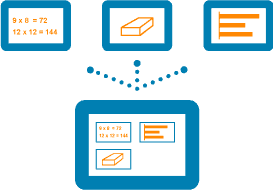
View exactly what each and every student is seeing on their screen. Automatically scan the class and flip through the screens of all users.
The world of entertainment and media content has undergone a significant transformation over the years. From the early days of radio and television to the current era of streaming services and social media, the way we consume entertainment and media has changed dramatically.
In the 1920s, radio emerged as a popular form of entertainment, with families gathering around the radio set to listen to news, music, and serialized stories. Radio shows like "The Shadow" and "The Jack Benny Program" became household names, captivating audiences with their engaging storylines and memorable characters.
In conclusion, the story of entertainment and media content is one of continuous innovation and adaptation. From radio to streaming services, the industry has evolved significantly over the years, reflecting changes in technology, audience preferences, and societal trends. As we look to the future, one thing is certain – the entertainment and media landscape will continue to evolve, offering new and exciting ways for us to engage with content.
The dawn of the 21st century brought significant changes to the entertainment and media landscape. The rise of the internet, social media, and streaming services transformed the way we consume content. YouTube, launched in 2005, enabled users to create and share their own content, while Netflix, founded in 1997, began to shift its focus from DVD rentals to streaming services.
As technology continues to evolve, the entertainment and media industry is poised for further transformation. Virtual reality (VR), augmented reality (AR), and artificial intelligence (AI) are expected to play a significant role in shaping the future of content creation and consumption. With the rise of streaming services, traditional TV and radio are adapting to the new landscape, incorporating digital elements into their offerings.
Today, streaming services like Netflix, Hulu, and Amazon Prime dominate the entertainment landscape. Social media platforms like Facebook, Instagram, and Twitter have become essential channels for content creators to reach their audiences. The proliferation of smartphones and tablets has enabled on-demand access to entertainment and media content, anytime and anywhere.
With the advent of television, entertainment and media content took a new form. TV shows like "I Love Lucy" and "The Honeymooners" revolutionized the industry, offering a visual medium that brought families together. The 1950s and 1960s saw the rise of television news, with iconic anchors like Edward R. Murrow and Walter Cronkite becoming household names.
The 1970s and 1980s saw the emergence of cable television, which expanded channel options and introduced new formats like music videos and 24-hour news channels. MTV, launched in 1981, revolutionized the music industry by playing music videos 24/7.
The world of entertainment and media content has undergone a significant transformation over the years. From the early days of radio and television to the current era of streaming services and social media, the way we consume entertainment and media has changed dramatically.
In the 1920s, radio emerged as a popular form of entertainment, with families gathering around the radio set to listen to news, music, and serialized stories. Radio shows like "The Shadow" and "The Jack Benny Program" became household names, captivating audiences with their engaging storylines and memorable characters.
In conclusion, the story of entertainment and media content is one of continuous innovation and adaptation. From radio to streaming services, the industry has evolved significantly over the years, reflecting changes in technology, audience preferences, and societal trends. As we look to the future, one thing is certain – the entertainment and media landscape will continue to evolve, offering new and exciting ways for us to engage with content. video+title+kuzuv0+80+eporner+free+link
The dawn of the 21st century brought significant changes to the entertainment and media landscape. The rise of the internet, social media, and streaming services transformed the way we consume content. YouTube, launched in 2005, enabled users to create and share their own content, while Netflix, founded in 1997, began to shift its focus from DVD rentals to streaming services.
As technology continues to evolve, the entertainment and media industry is poised for further transformation. Virtual reality (VR), augmented reality (AR), and artificial intelligence (AI) are expected to play a significant role in shaping the future of content creation and consumption. With the rise of streaming services, traditional TV and radio are adapting to the new landscape, incorporating digital elements into their offerings. The world of entertainment and media content has
Today, streaming services like Netflix, Hulu, and Amazon Prime dominate the entertainment landscape. Social media platforms like Facebook, Instagram, and Twitter have become essential channels for content creators to reach their audiences. The proliferation of smartphones and tablets has enabled on-demand access to entertainment and media content, anytime and anywhere.
With the advent of television, entertainment and media content took a new form. TV shows like "I Love Lucy" and "The Honeymooners" revolutionized the industry, offering a visual medium that brought families together. The 1950s and 1960s saw the rise of television news, with iconic anchors like Edward R. Murrow and Walter Cronkite becoming household names. Radio shows like "The Shadow" and "The Jack
The 1970s and 1980s saw the emergence of cable television, which expanded channel options and introduced new formats like music videos and 24-hour news channels. MTV, launched in 1981, revolutionized the music industry by playing music videos 24/7.
View exactly what each and every student is seeing on their screen. Automatically scan the class and flip through the screens of all users.
Immediately gain your students’ undivided attention with our most famous “blank” screen tool. Simply select the blank icon and your students’ monitor will display a solid black screen. It’s that simple.

The internet provides educators and students with a wealth of information. But when teaching in a computerized classroom, it often becomes an immediate distraction for students. ScreenWatch™ allows you to set internet perimeters limiting your students’ browsing abilities. You can block specific websites or be alerted when a student views a specific website.

Monitor Students' Activity - ScreenWatch™ gives an instructor the complete ability to keep an eye on the classes' computer activity. View exactly what each and every student is seeing on their screen. Automatically scan the class and flip through the screens of all users.
Scan Student's View - Instructor views each student image sequentially at variable selected rates
Blank Screens - Immediately gain your students’ undivided attention with our most famous “blank” screen tool. Simply select the blank icon and your students’ monitor will display a solid black screen. It’s that simple.
Freeze Students' Hardware - Easily stop all computer activity by remotely freezing student's keyboards and mice. This is an excellent way to gain your students attention begin their day with teacher lead class instruction before launching into their computerized lesson. This ensures your class is focused and is hands-off the PC.
Personalize Class Roster - Instructor can personalize the student icons representing their specific class roster
Remote Control - Remotely start-up or shut down student PCs
Remote Log On/Off - Instructor can remotely log on/off PCs right from his/her PC
Limit Internet Access - The internet provides educators and students with a wealth of information. But when teaching in a computerized classroom, it often becomes an immediate distraction for students. ScreenWatch™ allows you to set internet perimeters limiting your students’ browsing abilities. You can block specific websites or be alerted when a student views a specific website.
Software Base System - ScreenWatch™ is a completely software based system, compatible with Windows XP, Vista 2008, and Windows 7.
We are pleased to announce the merger of Applied Computer Systems, Inc with NetSupport Inc, a highly trusted and respected educational and corporate software developer. Rest assured you will be provided with the same level of assistance and support you are accustomed to. All existing maintenance/support contracts and subscriptions will be honored by NetSupport; you will not lose the benefits you currently have, nor will your existing contracts be discontinued.
ACS solutions and NetSupport identical counterparts:
| SoftLink | NetSupport School |
| DNA | NetSupport DNA |
| Notify | NetSupport Notify |
| Manager | NetSupport Manager |
Continue your support now by signing up for a free My Support account so you can access your registered products and view your license details, product downloads, and other resources...